


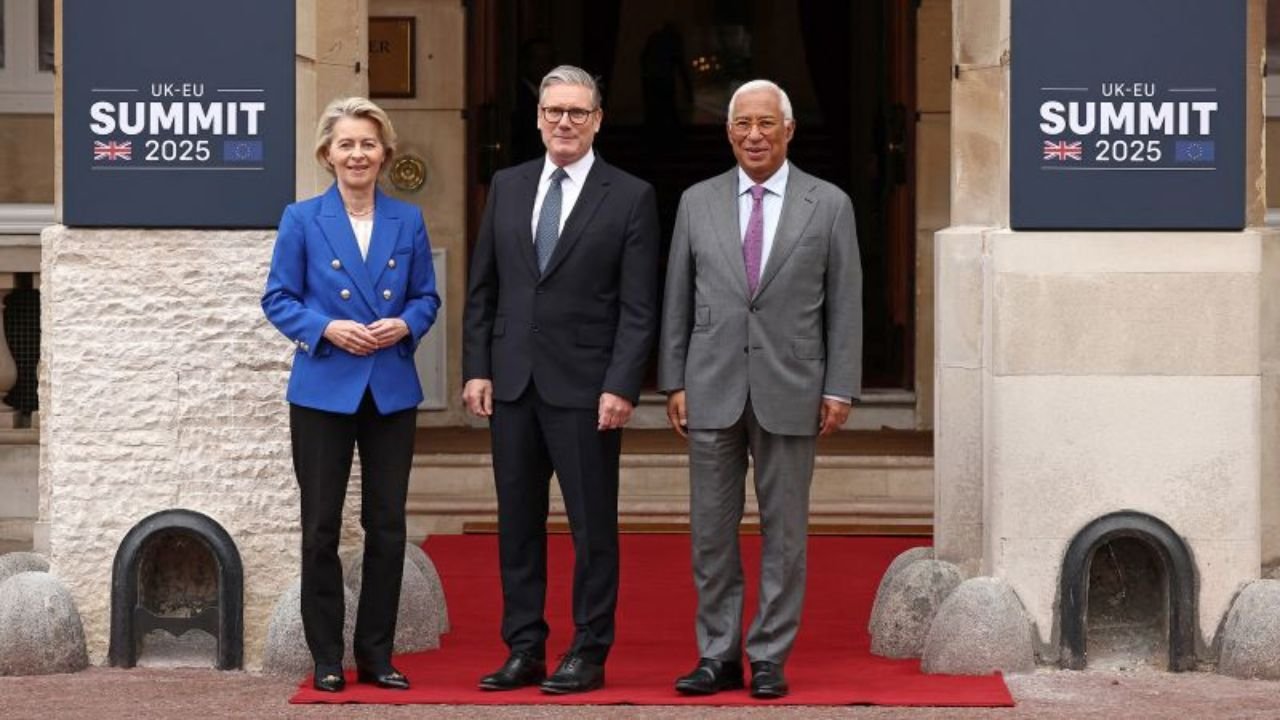
The European Union has called for an urgent restart of negotiations with the United Kingdom amid fears that a much-anticipated reset agreement could fall apart. Senior EU officials have warned that unless discussions resume quickly, the fragile progress made in recent months may unravel. The renewed appeal highlights growing concerns on both sides of the Channel about trade stability, regulatory cooperation, and long-term political trust.
This latest development comes at a critical time in EU-UK relations. Since Brexit formally reshaped the political and economic relationship, both parties have struggled to balance sovereignty with cooperation. The proposed reset deal was designed to ease tensions, smooth trade friction, and create a more predictable framework for future engagement. However, stalled discussions now threaten to derail that objective.
Why the EU Wants Talks Restarted Immediately
European leaders believe that continued delays could damage economic confidence and political goodwill. According to EU representatives, restarting negotiations quickly is essential to preserve momentum and avoid deeper disputes. The European Commission has indicated that uncertainty surrounding the reset deal could affect business investment decisions and long-term planning.
Concerns Over Trade Stability
Trade between the UK and the EU remains substantial, despite Brexit. Any instability in agreements governing goods, services, or customs arrangements could have wide-ranging consequences. Businesses on both sides rely heavily on predictable rules. The EU has emphasized that prolonged uncertainty over the reset agreement could disrupt supply chains, increase costs, and create administrative burdens.
The European Union’s position is clear: restoring structured dialogue is necessary to maintain stable cross-border trade relations. The EU urges immediate restart of talks with the UK to prevent reset deal collapse because trade continuity remains a shared priority.
Political and Diplomatic Pressures
Diplomatic ties have also been under strain. While both sides publicly commit to constructive engagement, differences over regulatory alignment, border arrangements, and sector-specific cooperation have slowed progress. European officials argue that delaying talks sends a negative signal about commitment to partnership.
By pushing for an immediate restart of negotiations, the EU aims to demonstrate urgency and seriousness in preserving long-term cooperation.
Background of the Reset Deal
The reset deal was introduced as a way to refresh EU-UK relations after years of post-Brexit tension. Rather than revisiting the entire Brexit agreement, the reset plan focused on practical improvements. It sought to simplify trade procedures, enhance regulatory dialogue, and increase collaboration in areas such as research, energy, and security.
Key Objectives of the Reset Agreement
The proposed reset deal included several major aims:
- Reducing bureaucratic barriers to trade.
- Strengthening regulatory coordination.
- Improving cooperation in scientific and academic programs.
- Ensuring smoother customs processes.
- Enhancing joint efforts on security and climate initiatives.
While both sides initially expressed optimism, disagreements over implementation details slowed the pace of progress.
Major Issues Blocking Progress
Despite shared interests, certain sticking points have prevented a final agreement.
Regulatory Alignment
One major obstacle is regulatory standards. The EU favors closer alignment to reduce friction in goods and services trade. The UK, however, prioritizes regulatory independence following Brexit. This tension has made it difficult to finalize commitments without political compromise.
Customs and Border Arrangements
Border controls remain a sensitive topic. Ensuring smooth trade flow while maintaining legal and regulatory boundaries continues to be complicated. Businesses have reported delays and increased paperwork since Brexit, and the reset deal was expected to address some of these challenges.
Political Timing
Domestic political considerations in both the UK and EU member states have also influenced negotiations. Leadership changes and shifting political priorities have occasionally paused talks.
Economic Impact of a Potential Collapse
If the reset agreement collapses entirely, the consequences could extend beyond political headlines. Economic experts warn that uncertainty could dampen investor confidence. Companies that depend on EU-UK trade may delay expansion plans or reconsider supply strategies.
Below is a table summarizing potential impacts:
| Area of Impact | Possible Consequences if Talks Fail |
|---|---|
| Trade | Increased customs checks and delays |
| Investment | Reduced investor confidence |
| Supply Chains | Higher costs and slower deliveries |
| Research | Limited collaboration opportunities |
| Energy | Reduced coordination on shared goals |
The EU urges immediate restart of talks with UK to prevent reset deal collapse because these economic risks could grow over time if unresolved.
Reaction from the United Kingdom
UK officials have acknowledged the importance of maintaining stable relations but have emphasized the need to protect national interests. Government representatives have stated that negotiations must respect UK sovereignty and reflect post-Brexit realities.
Some UK policymakers argue that rushing negotiations could lead to compromises that do not fully serve national objectives. However, business groups and trade associations have voiced support for resuming talks quickly, noting the benefits of predictable arrangements.
Business Community’s Perspective
Companies operating across Europe and the UK are closely monitoring developments. Many business leaders believe that structured cooperation reduces operational risks. They warn that prolonged uncertainty can increase costs due to fluctuating regulatory requirements.
Industry representatives stress that clarity on customs rules, product standards, and cross-border services is essential. From financial services to manufacturing, the stability of EU-UK trade relations affects thousands of businesses.
Security and Research Cooperation
Beyond trade, the reset agreement also aimed to strengthen collaboration in research, innovation, and security. Universities and research institutions have sought clearer frameworks for joint funding programs. Likewise, security agencies benefit from coordinated intelligence-sharing arrangements.
The collapse of negotiations could limit such cooperation. The European Union’s call to resume talks reflects not only economic concerns but also broader strategic interests.
The Strategic Importance of Dialogue
Diplomatic experts highlight that communication gaps can escalate disagreements. By urging an immediate restart of negotiations, the EU is signaling that structured dialogue remains the preferred path forward.
Long-term stability depends on regular engagement. Even if differences persist, having a formal platform for discussion reduces the risk of sudden disputes.
What Happens Next?
The coming weeks will likely determine whether negotiations can resume swiftly. EU officials have publicly expressed readiness to reengage. The UK government is expected to evaluate proposals and outline its conditions for returning to the negotiating table.
If talks resume, observers anticipate renewed focus on practical solutions rather than ideological differences. Both sides recognize the economic importance of avoiding further tension.
Broader Context of EU-UK Relations
Since Brexit, relations between the EU and the UK have experienced periods of friction and reconciliation. The reset deal represented an effort to move beyond confrontation toward pragmatic cooperation.
The EU urges immediate restart of talks with UK to prevent reset deal collapse because it views the agreement as a stabilizing mechanism. Without it, the relationship could revert to reactive crisis management.
Balancing Sovereignty and Cooperation
At the heart of the issue lies a balance between sovereignty and collaboration. The UK seeks independence in regulatory matters, while the EU emphasizes consistency to protect the single market. Finding a compromise requires flexibility and political will.
Negotiations are rarely straightforward, especially when national pride and economic interests intersect. Yet the shared benefits of cooperation remain evident.