


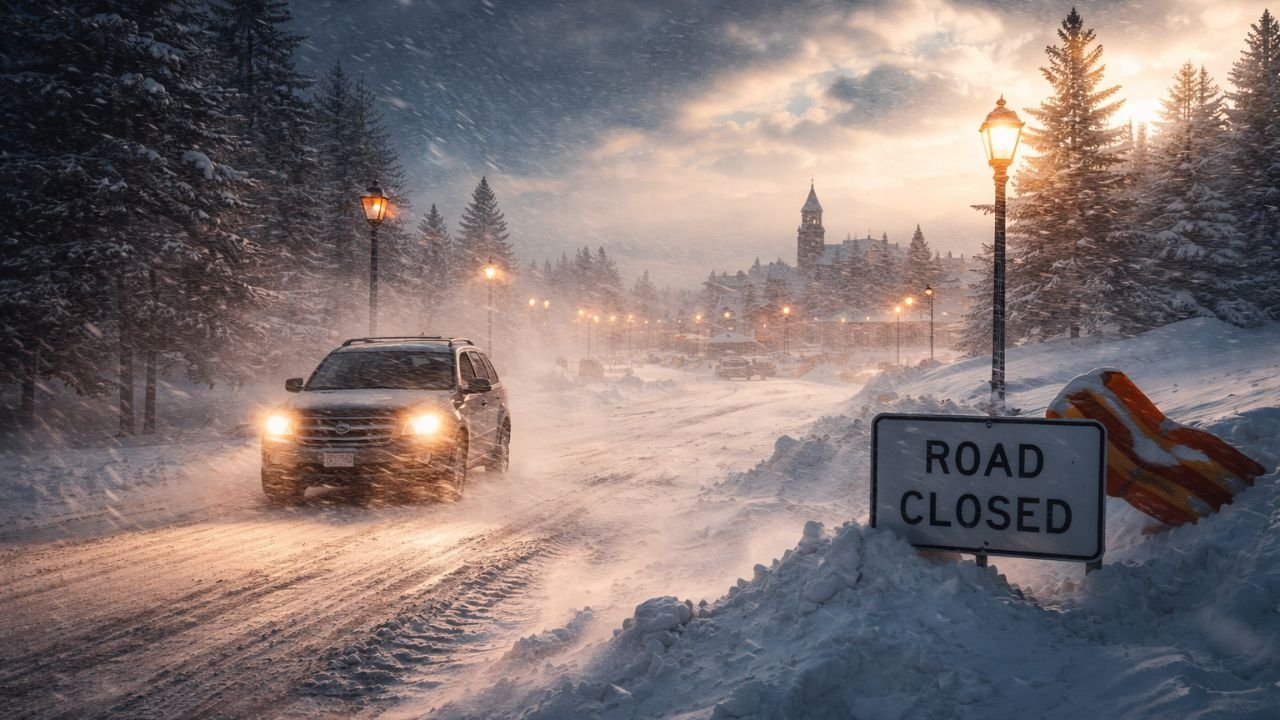
A fast-moving clipper system has already swept across parts of the region, leaving behind light snow and brisk conditions. However, meteorologists are now warning that a much stronger and more disruptive winter storm is developing in its wake. This major winter storm set to bring snow and gusty winds after clipper passes is expected to create hazardous travel conditions, potential power outages, and widespread disruptions.
Understanding the Clipper System
What Is a Clipper?
A clipper system is a fast-moving low-pressure area that typically forms in western Canada and moves southeast across the northern United States. Clippers are known for bringing:
• Light to moderate snow
• Quick bursts of precipitation
• Sharp drops in temperature
• Gusty winds
In this case, the clipper produced minor snow accumulations and reinforced cold Arctic air across the region. While impacts were manageable, it set the stage for the next, more powerful storm system.
How the Clipper Sets the Stage
The passage of the clipper has left behind cold air near the surface. When a larger storm approaches, this cold air mass ensures that most precipitation falls as snow instead of rain. This setup increases the likelihood of significant snowfall totals.
Major Winter Storm Forecast Overview
Weather models indicate that a strong low-pressure system will move into the region shortly after the clipper exits. This developing storm will draw moisture from the south while interacting with the cold air already in place.
Key Forecast Highlights
Below is a summary of expected impacts:
| Impact Category | Forecast Details |
|---|---|
| Snowfall Amounts | 6 to 12 inches widespread, locally higher amounts possible |
| Wind Gusts | 35 to 50 mph in exposed areas |
| Timing | Begins late evening, intensifies overnight |
| Travel Impact | Hazardous to near impossible travel during peak snowfall |
| Power Outages | Possible due to heavy snow and gusty winds |
| Temperature | Below freezing, wind chills in single digits |
These projections may shift slightly depending on the exact storm track, but confidence remains high that this will be a significant winter event.
Snowfall Expectations and Accumulation Zones
Heavy Snow Bands Likely
Forecasters anticipate that snow will develop steadily before intensifying into heavier bands overnight. Areas located along the storm’s primary track may experience snowfall rates exceeding one inch per hour.
Localized regions could see totals surpassing 12 inches if persistent snow bands stall. Such conditions would rapidly reduce visibility and make roadways extremely dangerous.
Impact on Commuters
Morning commuters may face snow-covered highways, slippery side streets, and limited visibility. The combination of accumulating snow and gusty winds may result in blowing and drifting snow, particularly in rural and open areas.
Gusty Winds and Blizzard-Like Conditions
Strong Wind Threat
As the pressure gradient tightens behind the developing storm, wind speeds are forecast to increase significantly. Gusts between 35 and 50 mph are possible, especially across open plains and elevated terrain.
These gusty winds following heavy snowfall can produce near-blizzard conditions even if official blizzard criteria are not fully met.
Blowing and Drifting Snow
Wind-driven snow can:
• Reduce visibility to near zero
• Cover previously cleared roads
• Create snow drifts several feet high
• Complicate emergency response efforts
Even after snowfall ends, strong winds may continue to create travel problems for hours.
Potential Power Outages and Infrastructure Concerns
Heavy Wet Snow Risk
If temperatures hover near freezing during the initial phase, some areas could receive heavy, wet snow. This type of snow sticks to tree branches and power lines, increasing the risk of outages.
Combined with strong wind gusts, the added weight may cause tree limbs to snap.
Emergency Preparedness
Residents should prepare for potential temporary power interruptions by:
• Charging electronic devices
• Having flashlights and batteries ready
• Keeping extra blankets accessible
• Ensuring vehicles have full fuel tanks
Preparedness becomes especially important during a major winter storm bringing snow and gusty winds after clipper passes.
Temperature Drop and Dangerous Wind Chills
Arctic Air Reinforcement
Behind the storm system, colder air is expected to surge into the region. Temperatures may fall into the teens or single digits overnight.
Wind Chill Concerns
With strong winds continuing, wind chill values could drop below zero in some areas. Prolonged exposure to such conditions can lead to frostbite on exposed skin within minutes.
The combination of snow, wind, and cold makes this winter storm particularly dangerous.
Travel Disruptions and Transportation Impacts
Road Conditions
Snow accumulation, drifting, and reduced visibility may cause widespread travel delays. State transportation departments may pre-treat roads, but heavy snowfall rates could overwhelm clearing operations.
Drivers are advised to:
• Avoid unnecessary travel
• Reduce speed
• Carry winter emergency kits
• Monitor updated road conditions
Air Travel and Public Transport
Airports could experience flight cancellations and delays as de-icing operations increase. Public transportation schedules may also be affected due to hazardous roadways.
School Closures and Business Interruptions
Possible Closures
Given the timing of peak snowfall overnight into morning hours, school districts may announce delays or closures. Businesses may also adjust operating hours.
Remote Work Considerations
Employees are encouraged to confirm remote work policies in advance, especially as this major winter storm forecast following clipper system passage unfolds.
Why This Storm Is Stronger Than the Clipper
The clipper was limited in moisture and duration. In contrast, the incoming storm will tap into deeper moisture sources and move more slowly.
This difference explains why meteorologists emphasize the severity of this event compared to the earlier system.
Key differences include:
• Greater moisture availability
• Slower storm movement
• Stronger pressure gradient
• Enhanced snowfall totals
These elements combine to create a more impactful winter storm.
Long-Range Outlook After the Storm
Following the storm’s departure, conditions may briefly clear. However, cold temperatures are likely to persist. Additional systems cannot be ruled out later in the week, although confidence in those remains lower.
For now, attention remains focused on the heavy snow and gusty winds expected after clipper passes, which pose the most immediate concern.
Safety Recommendations During the Major Winter Storm
At Home
Stay indoors during peak conditions. Avoid using generators inside enclosed spaces. Keep heating vents clear of snow accumulation.
On the Road
If travel becomes unavoidable:
• Keep headlights on
• Maintain extra following distance
• Avoid sudden braking
• Stay updated via local weather alerts
Monitoring Updates
Weather forecasts can evolve rapidly. Continue monitoring official weather service updates for changes in snowfall totals or storm track.
Conclusion
The region is transitioning from a relatively minor clipper system to a far more powerful winter storm. The approaching system is expected to deliver widespread heavy snowfall, strong wind gusts, dangerously low wind chills, and potential travel chaos.
Preparation is essential as this major winter storm set to bring snow and gusty winds after clipper passes could significantly disrupt daily routines. From hazardous highways to possible power outages, impacts may extend beyond the period of active snowfall.