
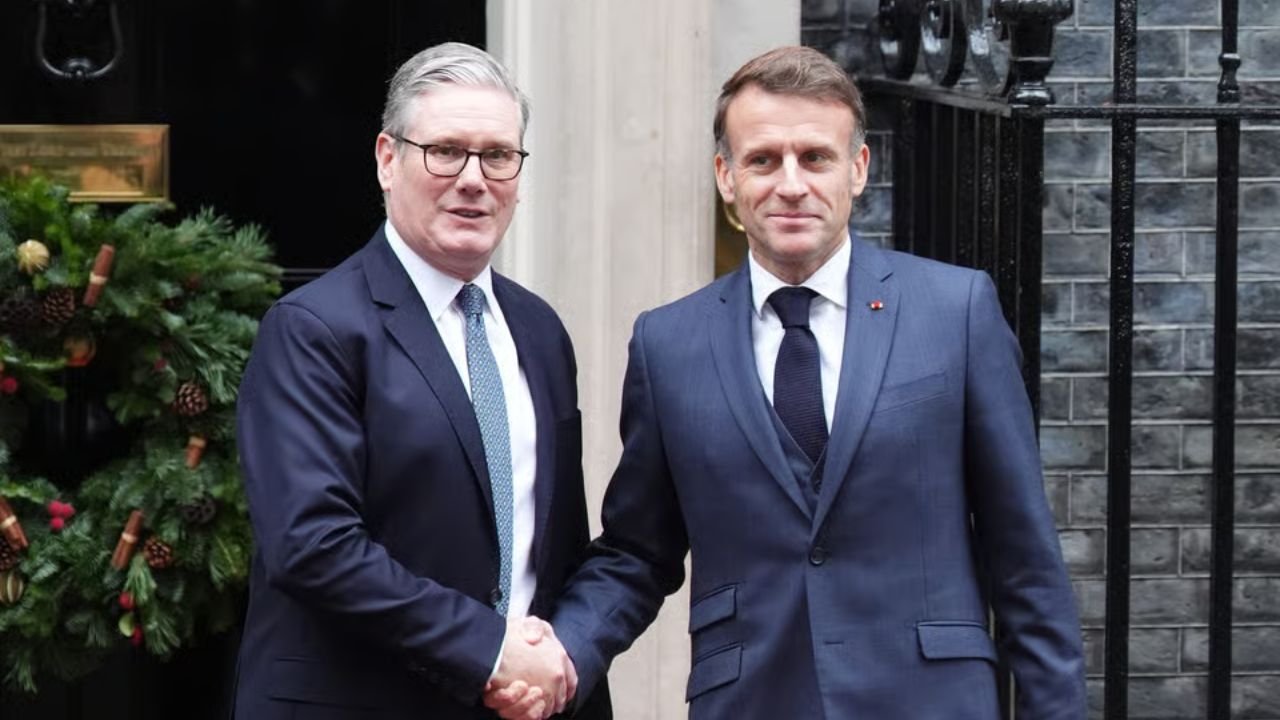
The debate around the United Kingdom’s relationship with Europe is once again gaining attention. This time, it has been sparked by a strong statement from London Mayor Sadiq Khan, who has openly suggested that the UK should consider rebuilding ties with the European Union. His remarks come at a time when France has indicated a willingness to welcome the UK back into the Single Market, reigniting discussions about the future of Brexit and its long-term impact.
Why Sadiq Khan Is Calling for Closer EU Ties
Economic Concerns Driving the Argument
Sadiq Khan has argued that Brexit has had a noticeable effect on the UK’s economy. According to his position, the country is facing slower growth, reduced trade opportunities, and increased costs for businesses. He believes that rebuilding stronger connections with the European Union could help address these issues.
The Mayor of London has pointed out that London, as a global financial hub, has been particularly affected by reduced access to European markets. Financial services firms, exporters, and small businesses have all faced new barriers since Brexit came into effect.
Long-Term Strategy Over Short-Term Politics
Khan has emphasized that his suggestion is not about reversing Brexit overnight but about starting a serious conversation. He believes the UK should think long-term and consider whether rejoining the Single Market could bring stability and growth.
He also highlighted that younger generations, who will live with the consequences of Brexit the longest, deserve a say in shaping the UK’s future relationship with Europe.
France’s Position on the UK and the Single Market
A More Open European Perspective
France has recently signaled that it would not oppose the UK returning to closer economic cooperation with the EU. This includes potential access to the Single Market, which allows free movement of goods, services, capital, and people among member states.
French officials have suggested that while full EU membership would require complex negotiations, there could be room for the UK to explore intermediate arrangements.
What the Single Market Means
The Single Market is one of the EU’s most important economic systems. It allows businesses to operate across borders without tariffs or major restrictions. For the UK, rejoining it could mean:
- Easier trade with EU countries
- Reduced customs checks
- Greater investment opportunities
- Improved business confidence
However, it would also likely require the UK to follow certain EU rules and regulations, which was one of the key concerns during the Brexit campaign.
Key Differences: EU Membership vs Single Market Access
To understand the debate better, it is important to know the difference between full EU membership and being part of the Single Market.
Comparison Table
| Aspect | EU Membership | Single Market Access |
|---|---|---|
| Political Integration | High | Limited |
| Trade Benefits | Full access | Full access |
| Free Movement | Yes | Yes |
| Rule-Making Power | Direct influence | Must follow rules |
| Financial Contributions | Required | Likely required |
This table shows that while Single Market access offers many economic benefits, it does not provide the same level of political influence as full EU membership.
Impact of Brexit on the UK Economy
Trade Challenges
Since leaving the EU, UK businesses have faced new paperwork, delays at borders, and higher costs. Many exporters have reported difficulties in maintaining smooth supply chains.
Industries such as agriculture, manufacturing, and retail have been particularly affected by these changes. Some companies have even shifted operations to EU countries to avoid complications.
Labour Shortages
Another major issue has been labour shortages in sectors like healthcare, hospitality, and construction. The end of free movement has made it harder for businesses to hire workers from EU countries.
Investment Decline
Foreign investment has also seen a decline, as companies reconsider the UK as a base for accessing European markets. This has raised concerns about long-term economic growth.
Political Reactions to Khan’s Statement
Support from Pro-EU Voices
Many pro-European politicians and analysts have welcomed Sadiq Khan’s comments. They see it as a realistic approach to addressing the economic challenges caused by Brexit.
Some have argued that public opinion may also be shifting, with growing support for closer ties with the EU.
Opposition from Brexit Supporters
On the other hand, Brexit supporters have strongly criticized Khan’s remarks. They argue that the UK should focus on building independent trade agreements and maintaining sovereignty.
Critics also say that rejoining the Single Market would mean accepting EU rules without having a say in them, which they believe undermines the purpose of Brexit.
Could the UK Rejoin the EU or Single Market?
Legal and Political Hurdles
Rejoining the EU would require a formal application process, approval from all member states, and likely a public referendum in the UK. This makes it a complex and time-consuming process.
Joining the Single Market might be slightly easier but would still involve negotiations and agreements on regulations, contributions, and movement of people.
Public Opinion Matters
Any major shift in the UK’s relationship with the EU would depend heavily on public opinion. While some surveys suggest growing support for closer ties, the country remains divided on the issue.
What This Means for Businesses and Citizens
For Businesses
If the UK were to rejoin the Single Market, businesses could benefit from:
- Lower trade barriers
- Easier access to EU customers
- Reduced administrative costs
For Citizens
Citizens could see changes such as:
- Easier travel across Europe
- Potential return of work opportunities in EU countries
- Improved economic stability
However, these benefits would come with trade-offs, including compliance with EU regulations and possible financial contributions.
The Bigger Picture: Future UK-EU Relations
The conversation started by Sadiq Khan reflects a broader question about the UK’s place in the world. As global economic conditions change, countries are re-evaluating their partnerships and strategies.
The UK’s future relationship with the EU will likely evolve over time, whether through closer cooperation, new agreements, or potential re-entry into existing frameworks like the Single Market.