


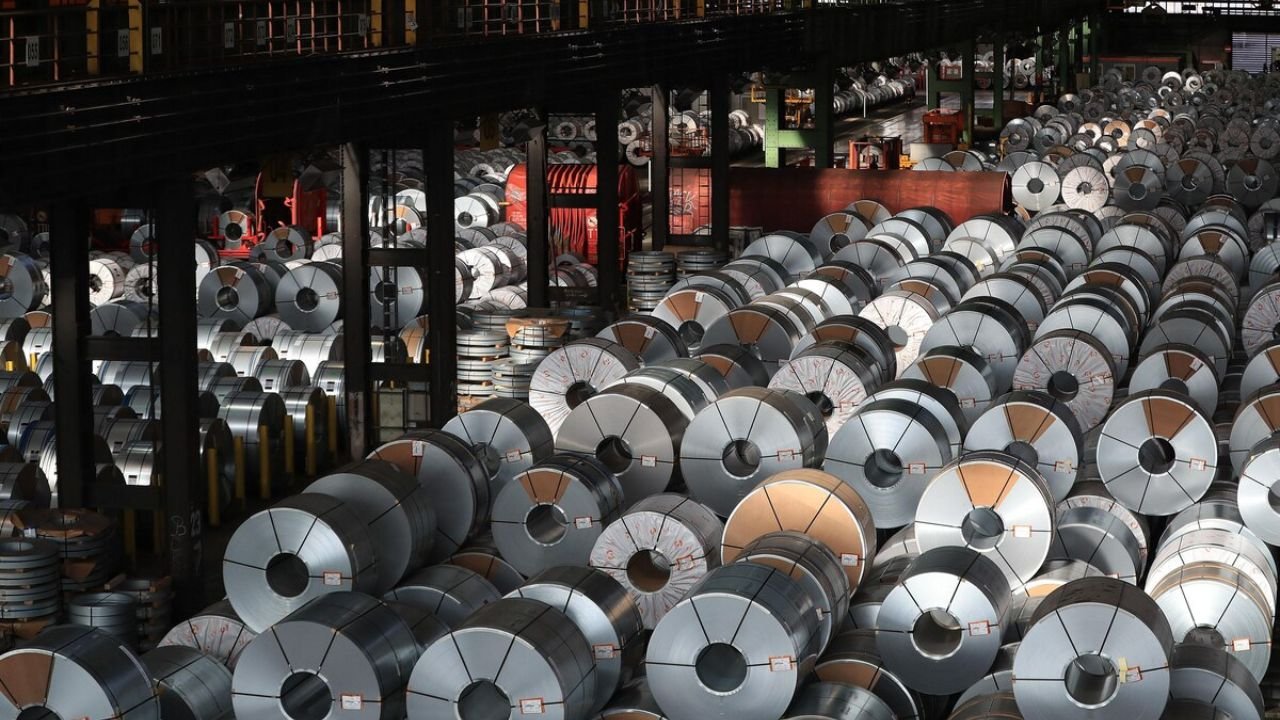
The United Kingdom is making a strong push to revive its steel industry by increasing domestic production and reducing dependence on imported steel. This move comes at a time when global supply chains are becoming uncertain, and countries are focusing more on self-reliance for critical industries. Steel plays a vital role in infrastructure, construction, defense, and manufacturing, making it a key sector for national growth and security.
Why the UK Is Focusing on Domestic Steel Production
The UK government has recognized that relying heavily on imported steel can create risks, especially during global disruptions. Events such as geopolitical tensions, trade conflicts, and supply chain issues have highlighted the importance of having a strong local manufacturing base.
Rising Dependence on Imports
Over the years, the UK has increasingly relied on steel imports from countries like China, Turkey, and the European Union. While imports often come at lower costs, they can make the domestic industry weaker and more vulnerable.
Strategic Importance of Steel
Steel is essential for many sectors, including:
- Infrastructure projects like bridges, railways, and buildings
- Defense equipment and military hardware
- Renewable energy projects such as wind turbines
- Automotive and construction industries
Without a stable domestic steel supply, these industries could face delays and higher costs.
Economic and Job Concerns
The decline in domestic steel production has led to job losses and economic challenges in regions that traditionally depended on steel manufacturing. Reviving the sector could create employment opportunities and support local economies.
Government Plans to Strengthen the Steel Industry
The UK government is introducing several measures aimed at boosting steel production and making the industry more competitive.
Investment in Steel Plants
One of the key strategies is investing in modern steel plants and upgrading existing facilities. This includes adopting cleaner and more efficient technologies to reduce carbon emissions while increasing production capacity.
Support for Green Steel Production
The government is also focusing on “green steel,” which uses environmentally friendly processes such as electric arc furnaces and hydrogen-based production. This aligns with the UK’s net-zero carbon targets.
Trade Policies and Protection
To protect domestic producers, the government may implement trade policies such as tariffs or quotas on imported steel. These measures can help local companies compete more effectively against cheaper imports.
Encouraging Public Sector Procurement
Another important step is encouraging government projects to use UK-produced steel. Large infrastructure projects funded by the government can provide a steady demand for domestic steel manufacturers.
Key Facts About the UK Steel Industry
Below is a table summarizing important details about the UK’s steel sector and the new strategy.
UK Steel Industry Overview
| Aspect | Details |
|---|---|
| Current Challenge | High reliance on imported steel |
| Main Goal | Increase domestic production |
| Key Focus | Green and sustainable steel |
| Government Action | Investment, trade support, procurement policies |
| Major Sectors Affected | Construction, defense, energy, automotive |
| Expected Benefits | Job creation, economic growth, supply security |
Impact on the UK Economy
The push to increase domestic steel production could have wide-reaching effects on the economy.
Boost to Manufacturing Sector
A stronger steel industry will support other manufacturing sectors by ensuring a reliable supply of raw materials. This can improve productivity and reduce costs over time.
Job Creation and Regional Growth
Steel production is often concentrated in specific regions. Reviving the industry can lead to job creation in these areas, helping reduce regional inequalities.
Reduced Trade Deficit
By producing more steel domestically, the UK can reduce its reliance on imports, improving its trade balance and strengthening the national economy.
Environmental Considerations
While increasing steel production is important, it also raises environmental concerns. The UK government is addressing this by promoting cleaner production methods.
Transition to Low-Carbon Steel
Traditional steelmaking processes are energy-intensive and produce high emissions. The shift toward low-carbon technologies is crucial for meeting climate goals.
Investment in Innovation
Research and development are being encouraged to find new ways to produce steel with minimal environmental impact. This includes exploring hydrogen-based production and carbon capture technologies.
Challenges Facing the UK Steel Industry
Despite strong plans, the UK steel industry still faces several challenges that need to be addressed.
High Energy Costs
Energy prices in the UK are higher compared to some other countries, making steel production more expensive. This can affect competitiveness in the global market.
Global Competition
Countries like China produce steel at a much lower cost, making it difficult for UK manufacturers to compete without government support.
Transition Costs
Switching to green steel technologies requires significant investment. Companies may need financial assistance to make this transition successfully.
Opportunities for Growth
Even with challenges, there are many opportunities for the UK steel industry.
Demand from Renewable Energy Sector
The growth of renewable energy projects, such as wind farms, requires large amounts of steel. This creates a strong domestic demand.
Infrastructure Development
Government plans for infrastructure development will increase the need for steel, providing a steady market for local producers.
Export Potential
If the UK can produce high-quality, sustainable steel, it may also find opportunities in export markets, especially in countries looking for low-carbon materials.
Long-Term Vision for UK Steel
The UK’s long-term goal is to build a resilient, sustainable, and competitive steel industry. This includes:
- Reducing dependence on imports
- Increasing production capacity
- Adopting environmentally friendly technologies
- Supporting local jobs and industries
By achieving these goals, the UK aims to secure its position in the global steel market while also supporting economic growth.